

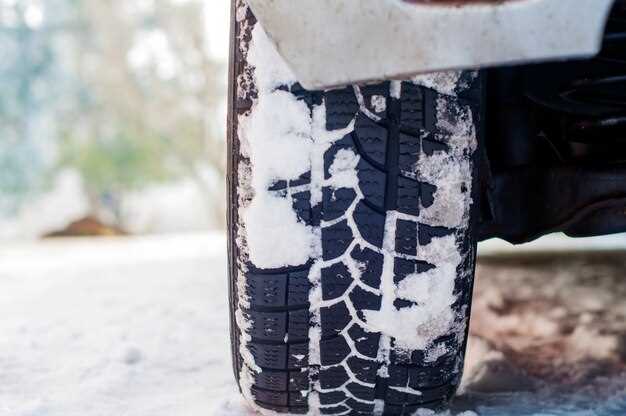
When venturing off-road, selecting the right tires is crucial for both safety and performance. Whether you’re tackling rocky trails or navigating uneven surfaces, the tires you choose can significantly influence your vehicle’s ability to handle challenging conditions. An optimal choice not only enhances traction but also ensures stability and control, allowing you to focus on the adventure ahead.
Off-road terrains present unique challenges, demanding tires designed to withstand rugged environments. Features such as reinforced sidewalls, aggressive tread patterns, and adequate grip on diverse surfaces become essential for maintaining traction while maneuvering over rocks, mud, and loose gravel. Prioritizing these factors when selecting your tires is key to enjoying your excursion without the fear of getting stuck or compromised.
In this article, we will delve into some of the top tire options specifically engineered for rocky and uneven terrains. By understanding the capabilities of these tires, you can make an informed decision that prioritizes your vehicle’s safety and enhances your off-road experience. From advanced technology to reliable performance, discover the best choices available to tackle the great outdoors with confidence.
Choosing the Right Tread Pattern for Off-Road Conditions
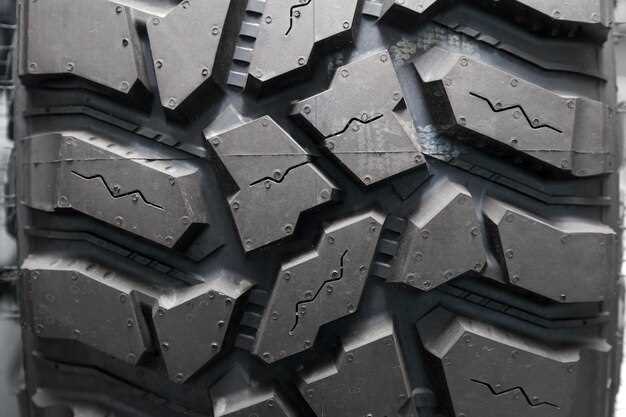
Selecting the appropriate tread pattern for off-road tires is crucial for ensuring safety and maximizing performance on rocky and uneven terrains. The tread design significantly impacts traction, control, and overall driving experience under challenging conditions.
For rocky surfaces, a tire with a more aggressive tread pattern is recommended. Deep, wide grooves provide excellent grip by allowing the tire to bite into the irregularities of the terrain. This type of tread helps prevent slipping and enhances stability, which is vital for navigating tricky obstacles.
When dealing with muddy or loose surfaces, opting for tires with larger, spaced-out lugs can help propel the vehicle forward while shedding mud effectively. The spacing between lugs prevents mud from packing into the tread, ensuring continuous traction. This design is key in maintaining control during slippery conditions and promotes overall safety.
For mixed-terrain use, a hybrid tread pattern is often beneficial, offering a balance between on-road comfort and off-road capability. These tires typically feature a combination of tighter patterns for paved surfaces and more aggressive lugs for off-road situations, providing versatility for various driving conditions.
Additionally, consider the rubber compound used in the tires. Softer compounds may offer better grip but can wear out faster on rocky surfaces. Harder compounds, on the other hand, tend to be more durable but may compromise traction. Finding the right balance is essential for ensuring long-lasting performance without sacrificing safety.
In summary, choosing the right tread pattern for off-road tires involves analyzing the terrain types and the specific conditions you expect to encounter. Aggressive patterns provide the necessary traction for rocks, while wider lugs assist in mud. A thoughtful selection will not only enhance performance but also contribute significantly to overall safety during off-road adventures.
Understanding Tire Specifications for Trail Durability
When venturing into off-road environments, the performance of your tires is paramount for ensuring both safety and durability. Selecting the right tires for rocky and uneven terrain requires an understanding of several critical specifications that dictate how well a tire will perform under challenging conditions.
Tread Design significantly affects a tire’s traction on loose surfaces. Tires with aggressive tread patterns provide better grip on gravel, mud, and rocky trails. These patterns feature larger, more widely spaced lugs that enhance traction and prevent slippage. The depth of the tread also plays a crucial role, as deeper treads can better navigate uneven surfaces and obstacles.
Tire Composition refers to the type of rubber used in the tire’s manufacturing. Off-road tires are typically made from tougher compounds that resist cuts and punctures, which are common hazards in rugged landscapes. The flexibility of the rubber is equally important, as it allows tires to conform to the terrain while maintaining stability.
Tire Sidewalls should be robust, as they protect against impacts from sharp rocks and other trail debris. Look for tires with reinforced sidewalls designed to withstand punctures and abrasions. A thicker sidewall can absorb shocks more effectively, shielding the tire from damage and extending its lifespan.
Load Rating indicates how much weight a tire can safely carry. Choosing the appropriate load rating is essential, particularly when traversing rocky terrain with heavy gear. Tires that exceed their load limits risk failure, which compromises safety and trail performance.
Diameter and Width of off-road tires also affect trail durability. Wider tires provide a larger contact patch with the ground, improving stability and reducing the chances of getting stuck. Conversely, larger diameter tires can roll over obstacles more easily, making them advantageous in rugged landscapes.
Understanding these specifications is vital for selecting tires that not only enhance performance but also ensure safety on varied trails. By equipping your vehicle with the appropriate off-road tires, you can confidently tackle rocky and uneven terrains while minimizing the risk of damage and maintaining optimal control.
Safety Tips for Driving on Rocky Terrain with Off-Road Tires

When navigating rocky trails, ensuring your safety is paramount. The right tires can significantly enhance your vehicle’s performance, but personal caution is equally important. Here are some essential safety tips for driving on rocky terrain.
1. Inspect Your Tires: Before embarking on any off-road adventure, check the condition of your tires. Look for signs of wear, damage, or inadequate tread depth. Properly inflated and well-maintained tires provide better traction and stability on uneven surfaces.
2. Choose the Right Tires: Select tires designed specifically for off-road conditions. Features such as deep treads and reinforced sidewalls are crucial for effective grip and durability. Ensure that your choice matches the rugged nature of the trail.
3. Adjust Your Driving Technique: When traversing rocky terrain, slow down to maintain better control. Avoid sudden acceleration or sharp turns, as these maneuvers can lead to loss of traction and potential accidents. Use a consistent and steady pace.
4. Maintain a Safe Distance: Keep a safe distance from other vehicles to allow for sudden stops or changes in direction. This buffer zone can prevent collisions when navigating challenging rocky passages.
5. Be Prepared for Obstacles: Expect unexpected rocks, ruts, and uneven surfaces. Stay alert and scan the trail ahead to anticipate potential hazards. Use spotters if necessary, especially in tight or complex areas.
6. Stay on Designated Trails: Respecting trail boundaries not only protects the environment but also ensures your safety. Sticking to established paths reduces the risk of becoming stuck or damaging your vehicle in unknown terrain.
7. Keep Tools and Emergency Supplies: Always travel with essential tools and emergency supplies. Having a tire repair kit, a jack, and basic first aid can be lifesaving in case of unforeseen issues on rocky trails.
By following these safety tips, you can enjoy your off-road adventures on rocky terrain while minimizing risks. Proper planning, the right tires, and mindful driving will enhance your experience while ensuring your security on the trail.


