

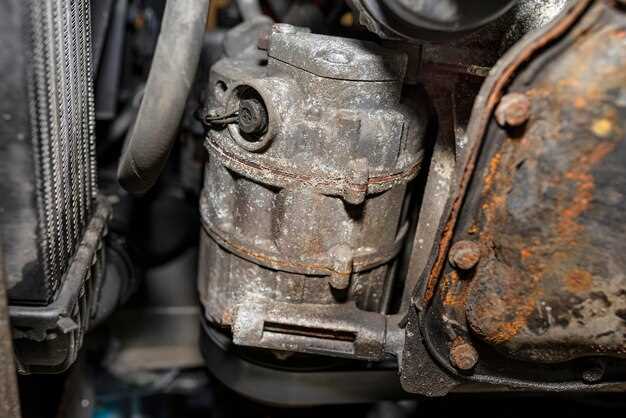
For car enthusiasts and collectors, few things evoke nostalgia like a vintage engine. The heartbeat of these classic machines often lies within their carburetors, which play a crucial role in performance and efficiency. Understanding how to restore and fine-tune these essential components is key to unlocking the full potential of your classic vehicle.
A carburetor acts as the bridge between air and fuel, ensuring the right mixture reaches the engine. As time takes its toll, these vital parts can suffer from wear and tear, affecting overall performance. Rebuilding a carburetor not only restores functionality but also allows for precise tuning that can enhance throttle response and power output, making it an essential task for any serious classic car aficionado.
In this article, we will explore the intricacies of rebuilding carburetors, focusing on techniques and tips that ensure optimal performance for vintage engines. Whether you’re a novice or a seasoned mechanic, the knowledge gained here will equip you to tackle the challenges of carburetor restoration, bringing new life to your classic ride.
Identifying the Right Carburetor for Your Vintage Engine
Choosing the correct carburetor is crucial for optimizing the performance of your vintage engine. The right carburetor will not only affect the efficiency but also the overall driving experience of your classic vehicle. To begin, it’s essential to understand the specific needs of your engine based on its size, design, and intended use.
Start by researching the original specifications of your vintage engine. Many classic engines were paired with specific carburetor models designed for optimal performance, so identifying the factory specifications can guide your rebuild process effectively. Look for identifiers like engine displacement and power ratings to narrow down your choices.
Next, consider the type of carburetor. There are various types, including single-barrel and multi-barrel configurations. A single-barrel carburetor may suit daily drivers, while a multi-barrel setup often provides enhanced performance for those interested in tuning their vehicles for speed or off-road capabilities. Assess how you plan to use your vintage engine to select the most appropriate configuration.
Another critical factor is the condition of the carburetor. If you have an original carburetor that shows signs of wear or damage, a rebuild might be necessary. Ensure that the internals, such as jets and diaphragms, are in good condition or can be replaced. For some enthusiasts, aftermarket options might also be available, offering modern improvements in fuel delivery and performance.
Finally, tuning your chosen carburetor is essential for peak performance. Every engine has unique characteristics; thus, fine-tuning the air-fuel mixture can significantly impact torque and horsepower. Seek advice from experienced rebuilders or refer to tuning guides specific to your carburetor model to maximize performance and efficiency.
Step-by-Step Process for Disassembling and Cleaning Carburetors
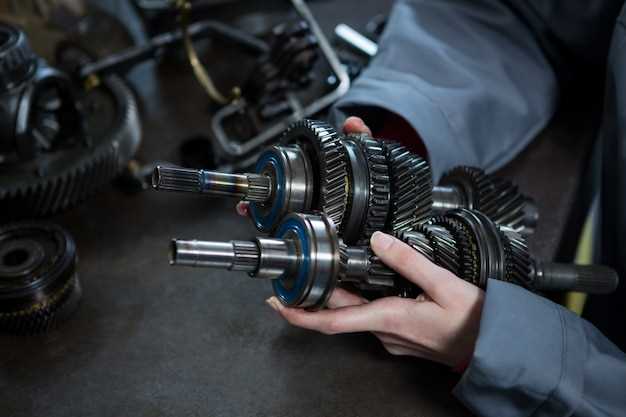
Rebuilding a vintage carburetor requires precision and care. The disassembly and cleaning process is crucial for restoring optimal performance in classic engines. Here’s a detailed guide to help you through this essential procedure.
1. Gather Your Tools
Before starting, ensure you have the necessary tools: a set of screwdrivers, a socket wrench, pliers, carburetor cleaner, a soft brush, and a clean workspace. Having proper tools at hand is vital for effective tuning during the rebuild.
2. Remove the Carburetor
First, disconnect any linkages and hoses attached to the carburetor. Carefully unscrew the mounting bolts, being mindful to keep track of all components. Gently lift the carburetor from the engine manifold and place it on a clean surface.
3. Disassemble the Carburetor
Start disassembling the carburetor by removing the air cleaner, float bowl, and throttle body. Take note of the order and orientation of each part. This will facilitate an efficient reassembly and tuning later. Keep small parts organized to avoid losing them.
4. Clean All Components
Using carburetor cleaner, thoroughly spray all disassembled parts, including jets and passages. A soft brush can help dislodge stubborn dirt and deposits. Ensure all orifices are clear, as blockages can severely impact performance. Rinse components with clean water and dry them properly.
5. Inspect for Wear
Examine gaskets, jets, and other components for signs of wear or damage. Replace any parts that are not in good condition, as these can hinder the tuning and overall performance of the carburetor.
6. Reassemble the Carburetor
Carefully reassemble the carburetor in the reverse order of disassembly. Ensure that all gaskets are seated correctly to prevent leaks. Tighten screws and bolts to the manufacturer’s specified torque settings for proper sealing.
7. Final Cleaning
After reassembly, give the carburetor another light cleaning with carburetor cleaner. This ensures that any contaminants introduced during the assembly process are eliminated. Maintain a clean environment to avoid issues during tuning.
8. Install and Test
Once cleaned and reassembled, reinstall the carburetor onto the engine and reconnect all linkages and hoses. Start the engine and monitor its performance. Fine-tuning may be necessary to achieve optimal operation and performance expected from a vintage carburetor.
By following this step-by-step process, you can successfully disassemble and clean carburetors, leading to improved engine performance and longevity.
Tuning Techniques to Optimize Performance After Rebuild
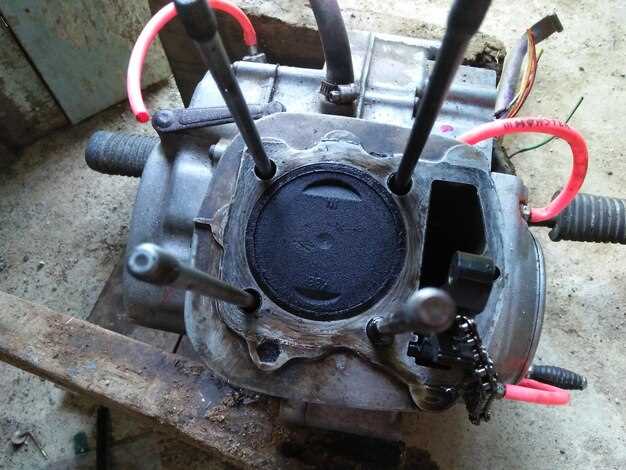
After successfully completing a carburetor rebuild, the next crucial step is tuning the unit to achieve optimal performance. Proper tuning can significantly enhance engine efficiency, responsiveness, and overall driving experience. Here are several techniques to consider during the tuning process.
First, start by adjusting the idle mixture screws. These screws control the amount of fuel and air mixture at idle. Turn each screw in increments while monitoring the engine’s RPM. The goal is to achieve the highest stable idle before the mixture becomes too rich or lean.
Next, focus on the float level adjustment. During the rebuild, ensuring the float is set at the right height is essential for maintaining the correct fuel level in the carb bowl. An incorrect float adjustment can lead to flooding or inadequate fuel supply, directly affecting performance.
Additionally, recalibrating the jets is vital after a rebuild. Depending on modifications made to the engine, you may need to change the main or secondary jets to increase fuel flow during acceleration. This adjustment allows the carb to deliver a proper air-fuel ratio, which can improve throttle response and overall power output.
Another key aspect is checking the accelerator pump action. This mechanism helps deliver an extra shot of fuel during rapid throttle opening. Adjusting the pump shot duration and volume is important for achieving an immediate throttle response, particularly in classic applications where efficiency and power delivery are paramount.
Don’t forget to examine the ignition timing in relation to your carburetor settings. Optimal timing will ensure the fuel mixture is ignited at the right moment, providing the best power and fuel efficiency. Use a timing light to make precise adjustments based on the manufacturer’s specifications.
Finally, fine-tune the overall setup by taking the vehicle for a test drive. Pay attention to how the engine responds under various conditions such as acceleration, cruising, and idle. Make incremental adjustments to the tuning as needed, always monitoring for any signs of engine strain or performance issues.
In conclusion, effective tuning of a rebuilt carburetor involves careful adjustments to mixture screws, float levels, jets, and accelerator pump functionality. Each change should be methodically tested, ensuring that the engine runs smoothly and efficiently, ultimately revitalizing classic engine performance.


