

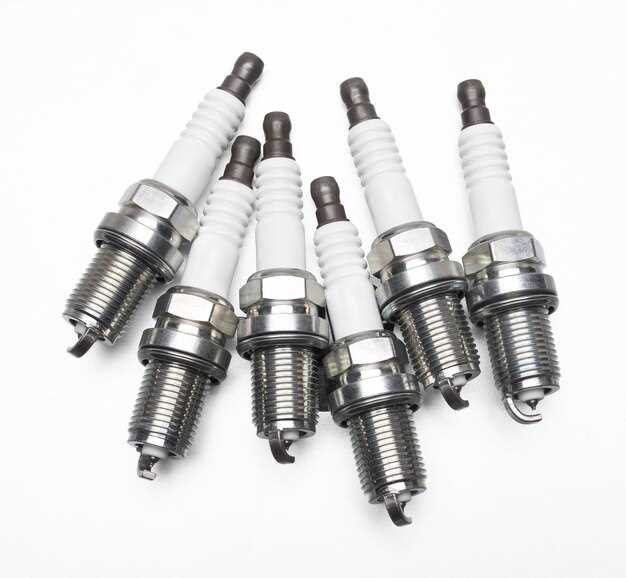
When it comes to maintaining your vehicle’s performance, understanding the optimal schedule for changing spark plugs is essential. Spark plugs play a critical role in the ignition system, igniting the air-fuel mixture in the engine’s cylinders to ensure smooth operation. However, as they wear out over time, their efficiency diminishes, which can lead to a host of performance issues.
Many vehicle owners often overlook the importance of adhering to a specific maintenance schedule for spark plugs, assuming that they can last indefinitely. However, most manufacturers recommend changing them every 30,000 to 100,000 miles, depending on the type of spark plugs installed. Regular checks and timely replacements can significantly enhance fuel efficiency, reduce emissions, and prevent costly repairs down the line.
In this article, we will delve into the factors that influence how often spark plugs should be changed, including the type of driving conditions, the kind of spark plugs used, and signs of wear to watch for. Ensuring that you follow an optimal schedule for changing spark plugs will not only maintain your vehicle’s performance but also extend its lifespan.
Recommended Change Intervals Based on Vehicle Type
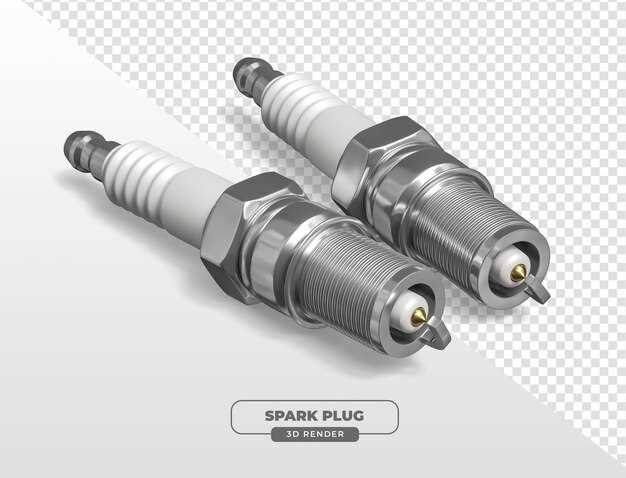
When it comes to the maintenance of your vehicle, changing spark plugs at the appropriate intervals is crucial for optimal performance. The recommended change schedule can vary significantly depending on the type of vehicle you own.
For most standard gasoline-powered cars, manufacturers typically recommend replacing spark plugs every 30,000 to 50,000 miles. These vehicles generally use conventional spark plugs, which can wear out faster and may require more frequent attention to ensure smooth operation.
If you own a vehicle equipped with iridium or platinum spark plugs, such as many modern sedans and SUVs, the maintenance schedule can be extended. In these cases, it is advisable to replace the plugs every 60,000 to 100,000 miles due to the durability of these materials.
For performance-oriented vehicles or those used frequently for towing, maintenance might require a more aggressive schedule. Owners should consider changing spark plugs every 30,000 miles to maintain optimal performance, as these vehicles may experience greater stress and heat that can accelerate plug wear.
Diesel engines have their own specific requirements. Typically, diesel vehicles use glow plugs instead of traditional spark plugs. These glow plugs may need to be replaced every 60,000 to 100,000 miles, but it is essential to consult the vehicle’s owner’s manual for specific maintenance schedules.
Ultimately, keeping track of your vehicle’s maintenance schedule is essential. Regular inspections and timely replacements of spark plugs can significantly enhance engine performance and fuel efficiency, ensuring a smoother driving experience.
Signs Indicating the Need for Spark Plug Replacement
Identifying when to replace spark plugs is crucial for maintaining optimal engine performance. Regular maintenance and adherence to a schedule can prolong the lifespan of your vehicle, but certain signs may indicate that replacement is necessary sooner than expected.
- Engine Misfires: Frequent misfires can signal failing spark plugs. This can lead to rough idling and reduced acceleration.
- Reduced Fuel Efficiency: If you notice a decline in miles per gallon, worn plugs may not ignite fuel as efficiently, resulting in increased consumption.
- Hard Starting: Difficulty starting your vehicle can indicate weak or faulty plugs. This often leads to multiple attempts before the engine turns over.
- Rough Idling: An uneven, shaking idle can be a sign that one or more spark plugs are not performing properly.
- Check Engine Light: If the check engine light appears on your dashboard, it may point to spark plug issues among other engine problems.
- Physical Wear: Inspect the spark plugs for wear signs, such as deposits, cracks, or excessive gap. These physical indicators often necessitate replacement.
Observing these signs can help you determine when to schedule spark plug replacement. Regular inspection is a vital component of engine maintenance, ensuring your vehicle runs smoothly and efficiently.
Impact of Driving Conditions on Spark Plug Longevity
Driving conditions play a crucial role in the maintenance and longevity of spark plugs. Various factors, such as climate, terrain, and driving habits, can significantly affect the lifespan of these essential components.
Extreme temperatures can lead to increased wear on spark plugs. In hotter climates, plugs may experience overheating, which can cause them to degrade faster than in moderate conditions. Conversely, in cold environments, the risk of incomplete combustion rises, potentially leading to fouling and decreased efficiency.
Terrain also impacts spark plug performance. Vehicles regularly driven on rough roads or in off-road conditions tend to experience more stress, leading to faster deterioration of plugs. Frequent acceleration and braking, common in urban driving, can further contribute to increased deposits on spark plugs, reducing their efficiency over time.
Moreover, driving style plays a significant role in maintenance needs. Aggressive driving often leads to higher engine speeds, increasing heat and stress on the spark plugs. This can accelerate wear and necessitate more frequent replacement compared to vehicles driven gently.
In summary, understanding the impact of varying driving conditions on spark plug longevity is essential for effective maintenance. By recognizing these factors, drivers can better manage their vehicle’s performance and extend the lifespan of spark plugs through timely inspections and replacements.


