


In today’s digital marketplace, high-quality photographs play a crucial role in successfully selling your motorcycle online. The right images can captivate potential buyers and significantly increase your chances of making a sale. This article will provide you with practical tips to help you capture stunning photos that highlight your motorcycle’s features and appeal to a wider audience.
When potential buyers browse listings online, they often make quick judgments based on the appearance of the motorcycle images. Therefore, it’s essential to invest time and effort in creating photographs that not only display the bike’s condition but also evoke excitement and desire. By following the tips outlined in this article, you can enhance your listing and present your motorcycle in its best light.
A well-lit, clear photograph can make a world of difference when it comes to attracting buyers. Remember, your goal is to present your motorcycle in a way that piques interest and encourages inquiries. By mastering the art of motorcycle photography, you will significantly improve your chances of achieving a successful sale.
Choosing the Right Location for Motorcycle Photography
Selecting the perfect location for your motorcycle photos is crucial for capturing stunning images that will attract potential buyers online. A well-chosen background can enhance the appeal of your motorcycle and showcase its features effectively.
First, consider locations that are visually interesting yet not overly busy. A cluttered background can distract from the motorcycle itself. Look for spots with clean lines, such as empty roads, industrial areas, or scenic landscapes. Natural settings, like parks or beaches, can provide a vibrant and appealing backdrop, making your motorcycle stand out in the photos.
Lighting is another essential factor. Try to shoot during the golden hours–early morning or late afternoon–when the sun casts a warm glow. This soft light enhances the details in your photos and minimizes harsh shadows, leading to better results. Avoid photographing in direct sunlight, as it can wash out colors and create unflattering glares.
Posing the Motorcycle: The angle at which you shoot can greatly impact the overall composition. Experiment with different perspectives, such as low angles or shots from the side, to highlight various elements of the motorcycle. You can create depth by incorporating leading lines in your shots, guiding the viewer’s eye toward the bike.
Always consider the weather conditions. Overcast days can provide excellent lighting for motorcycle photography, reducing intense contrasts and allowing colors to pop. Be ready to adjust your plans if the weather turns unfavorable, as a rainy day can also create unique and dramatic shots.
Finally, think about how the location can tell a story. If you’re selling a touring motorcycle, an image taken on a scenic mountain road might appeal to buyers looking for adventure. A café setting could attract those interested in urban cruising. Choose a backdrop that reflects the lifestyle associated with the motorcycle you’re selling, as this can significantly enhance the attractiveness of your photos for sale.
Mastering Lighting Techniques for Captivating Bike Images
When capturing your bike for an online sale, lighting plays a crucial role in showcasing its best features. Properly utilized light can enhance the color, detail, and overall appeal of your motorcycle. Start by identifying the right time of day for shooting; the golden hours–early morning and late afternoon–provide soft, diffused light that minimizes harsh shadows and highlights.
Position your bike facing the light source to bring out its shine and texture. Avoid direct sunlight that can create glare, which detracts from the image quality. Instead, look for shaded areas where the light is even and flattering. Overcast days can also provide ideal conditions, as clouds diffuse sunlight, producing a more balanced illumination.
Experiment with different angles and perspectives to see how light interacts with your bike’s contours. A low angle can emphasize the bike’s presence and make it appear more dynamic. Don’t hesitate to incorporate natural elements in your frame; surrounding foliage can add depth and context to your online listing while reflecting natural light beautifully on the bike.
Consider utilizing external light sources if natural lighting isn’t available. A portable LED light or a flash can help illuminate specific areas of the bike while maintaining an authentic look. Just be cautious of overexposing certain parts; aim for a balanced exposure that captures the bike’s essence without losing details.
Finally, pay attention to post-processing. After taking your images, minor adjustments in contrast, brightness, and shadow levels can significantly increase the visual appeal. A well-lit, thoughtfully edited photo will attract potential buyers and elevate your online sale experience.
Angle and Composition Strategies for Stunning Listings
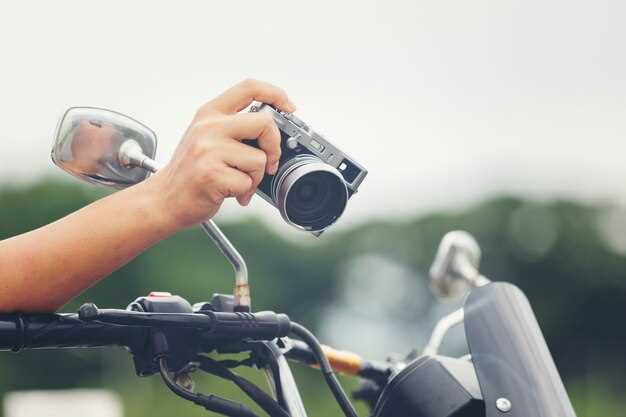
When preparing your motorcycle for online sale, the angle and composition of your photos can significantly impact potential buyers’ interest. Choosing the right angles is crucial for showcasing the bike’s features and overall appeal. Start by capturing the motorcycle from multiple perspectives, including front, side, and rear views. This variety allows potential buyers to have a comprehensive look at the bike’s design and condition.
Consider the rule of thirds when framing your shots. This technique involves dividing the image into three equal sections, both horizontally and vertically, creating a grid. Position important elements of the motorcycle along these lines or at their intersections to create a visually engaging photo. This strategy draws the viewer’s eye toward the bike, enhancing its overall presentation.
Lighting plays a vital role in photography as well. Natural light is often the best choice, so try to take your photos during the golden hour–shortly after sunrise or before sunset. This period provides soft, diffused lighting, reducing harsh shadows and glare on the bike’s surface. If shooting during midday, consider using shaded areas to avoid excessive brightness and improve the image quality.
Incorporate interesting backgrounds that complement the motorcycle without distracting from it. A clean, uncluttered environment enhances the focus on the bike while giving context to the lifestyle associated with it. Urban settings, nature, or even textured brick walls can add an appealing aesthetic to your photos.
Close-up shots are also essential. Highlight unique features, such as the engine, custom parts, or accessories. Detail-oriented images provide buyers with a sense of the bike’s condition and can differentiate your listing from others available for sale.
Lastly, ensure your motorcycle is clean and well-presented before taking photos. Detailing the bike not only makes it more attractive but also instills confidence in potential buyers regarding its upkeep and maintenance. A polished appearance combined with thoughtful angles and composition can lead to stunning listings that attract attention in the competitive online marketplace.


