


The clutch in your motorcycle is a crucial component that ensures smooth gear transitions and optimal performance. Regular inspection is essential to maintain its functionality and prevent potential issues that could compromise your riding experience. Ignoring warning signs can lead to more severe problems and costly repairs.
There are several indicators that your clutch may be in need of immediate attention. Unusual noises, difficulty in shifting gears, or a slipping clutch can significantly affect your motorcycle’s handling and safety. Understanding these signs not only helps extend the lifespan of your clutch but also enhances your overall riding enjoyment.
In this article, we will discuss common symptoms that signal your motorcycle’s clutch is underperforming and the importance of timely maintenance. Recognizing these issues early on can save you time, money, and ensure a smoother ride on the road.
Difficulty in Shifting Gears: Recognizing Red Flags
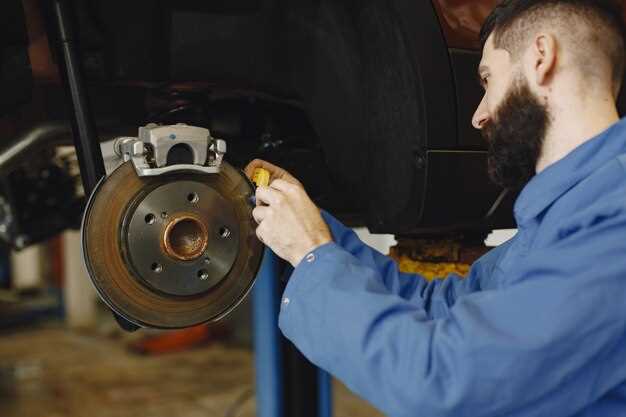
Experiencing difficulty in shifting gears can indicate a serious issue with your motorcycle’s clutch system. If you notice resistance or grinding noises when attempting to shift, it’s essential to address these symptoms promptly. Difficulty in changing gears can compromise not only the performance of your bike but also your safety on the road.
Common signs include a sticky or unresponsive clutch lever, which can lead to improper clutch engagement. If the lever feels spongy or overly stiff, an inspection is crucial. These symptoms may suggest hydraulic problems or a need for adjustment in the cable or mechanism.
Another red flag is the inability to smoothly transition between gears, often accompanied by slipping, where the engine revs but the speed does not increase. This indicates that your clutch may not be fully engaging, necessitating immediate attention and potential repair to avoid further damage.
Lastly, if you experience unusual vibrations or hear strange noises when shifting, this could signify underlying issues with the clutch plates or transmission. Regular inspections can help catch these problems early, ensuring that your motorcycle provides a safe and enjoyable riding experience.
Unusual Noises: Identifying Clutch Problems through Sound

One of the most telling signs that your clutch might be in need of immediate attention is the presence of unusual noises during operation. These sounds can indicate various underlying issues that require prompt inspection and potential repair.
When engaging or disengaging the clutch, if you hear a grinding or squeaking noise, it often points to worn-out components. This could be a sign that the clutch release bearing is failing or that the flywheel has developed issues. Spotting these noises early can prevent more extensive damage down the road.
Another red flag is a rattling sound while the vehicle is in neutral or when the clutch pedal is pressed. This might suggest loose or damaged parts within the clutch assembly. Ignoring such symptoms can lead to a complete clutch failure, making timely repair essential.
Additionally, a high-pitched whining noise, particularly when you’re accelerating with the clutch engaged, could indicate a problem with the transmission. It is crucial to listen carefully to these sounds during your drive; they can provide invaluable clues about the condition of your clutch.
In summary, distinct and unusual noises can serve as early indicators of clutch problems. If you notice any of these sounds, it’s advisable to seek an immediate inspection by a qualified mechanic to address potential issues before they escalate.
Burning Smell: What It Indicates about Your Clutch Health
If you notice a burning smell while driving, it can be a clear indication that your clutch is experiencing issues. This odor often arises from the overheating of the clutch components, which may result from excessive friction or improper use. Ignoring this smell can lead to more severe problems and costly repairs.
A burning smell typically suggests that the clutch is slipping, meaning that it’s unable to engage fully with the engine. This often occurs due to worn-out clutch plates or insufficient hydraulic fluid. Additionally, a foul odor may indicate that debris has built up, causing the clutch to overheat during operation.
Immediate inspection is essential when you detect a burning smell. A qualified mechanic can assess the condition of your clutch, determining whether it requires adjustment, cleaning, or complete replacement. Delaying repair could exacerbate the issue, leading to more extensive damage and higher repair costs.
In summary, a burning smell is a crucial warning sign regarding your clutch health. Regular maintenance and timely inspections can prevent further complications and ensure safe driving conditions.


