

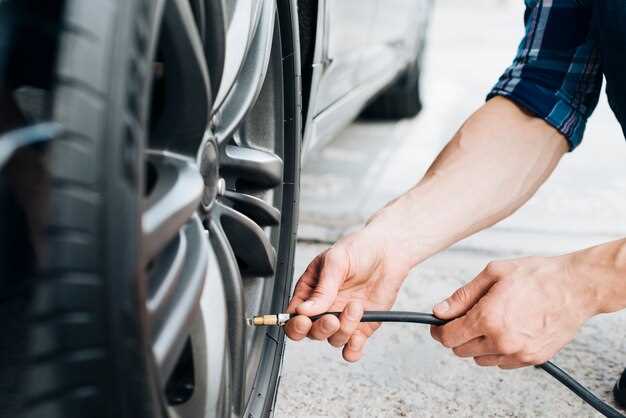
Maintaining the correct pressure in your tires is crucial for ensuring safety, performance, and longevity. Under-inflated or over-inflated tires can lead to uneven wear, reduced fuel efficiency, and compromised handling. By regularly checking and adjusting tire pressure, drivers can minimize these risks and extend the life of their tires.
The tread of a tire is another significant aspect that requires attention. Proper tread depth is essential for optimal traction, especially in adverse weather conditions. Over time, tires naturally experience wear due to road conditions, driving habits, and environmental factors. Regularly inspecting the tread for signs of worn-out patterns or insufficient depth can help you make informed decisions about tire replacement and ensure a safer driving experience.
This guide will provide you with essential insights into tire pressure and tread maintenance, equipping you with the knowledge necessary to keep your tires in top condition. By prioritizing these aspects, you not only boost safety on the road but also enhance your vehicle’s overall performance and efficiency.
How to Properly Check and Adjust Tire Pressure

Maintaining the correct tire pressure is crucial for ensuring safety, fuel efficiency, and optimal tread wear. To check your tire pressure, follow these steps:
1. Gather Necessary Tools: You will need a reliable tire pressure gauge. Digital gauges provide accurate readings, but analog ones work just as well. Ensure you have access to an air compressor if adjustments are necessary.
2. Check Tire Pressure When Cold: Tire pressure should be measured when the tires are cold, ideally after the vehicle has been parked for at least three hours. Driving increases tire temperature, causing pressure readings to rise and potentially mislead you.
3. Remove Valve Stem Caps: Locate the valve stem on each tire and remove the caps. Keep them in a safe place to avoid losing them.
4. Use the Tire Pressure Gauge: Firmly press the gauge onto the valve stem to get an accurate reading. Ensure that the gauge creates a good seal around the valve to avoid air leaks. Read the pressure level displayed and take note of the measurement.
5. Compare with Recommended Pressure: Check the vehicle’s owner manual or the sticker located inside the driver’s door frame for the manufacturer’s recommended tire pressure. This pressure may vary for front and rear tires.
6. Adjust the Pressure: If the measured pressure is lower than recommended, use an air compressor to inflate the tire. If it is higher, release some air by pressing the metal stem inside the valve. Always adjust the pressure gradually and check the gauge frequently to avoid over-inflation.
7. Recheck the Pressure: After adjusting, check the pressure again. This ensures that the tire is at the desired level for optimal tread wear and vehicle performance.
8. Replace Valve Stem Caps: Once you’re done, securely replace the valve caps to protect the valve from dirt and moisture, which can lead to pressure loss.
Regularly checking and adjusting your tire pressure not only enhances safety but also prolongs the life of your tires by promoting even tread wear. Make this practice a part of your routine vehicle maintenance to ensure longevity and performance.
Signs of Tread Wear and When to Replace Tires
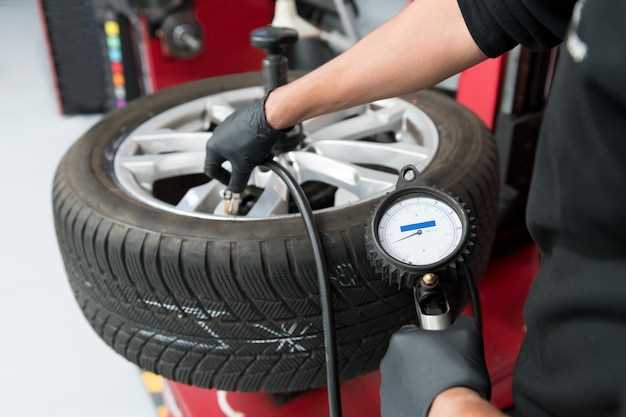
Tire tread plays a crucial role in maintaining traction, handling, and overall safety on the road. Recognizing the signs of tread wear is essential for determining when it’s time for a replacement. One of the most visible indicators is the tread depth itself. Tires are considered worn out when the tread depth falls below 2/32 of an inch. You can easily check this using the penny test; inserting a penny into the tread with Lincoln’s head facing down will help you gauge the remaining depth.
Another sign of wear is uneven tread wear patterns, which can indicate issues such as misalignment or improper inflation. If one side of the tire appears significantly more worn than the other, it might be time to consult a professional to address these underlying problems. Additionally, a tire exhibiting bald spots or patches lacks the necessary grip and is a strong indicator that replacement is overdue.
Listening to your tires can also provide valuable insights. If you notice unusual noises, vibrations, or a change in handling while driving, these can be symptoms of tread degradation. Regularly inspecting your tires for cracks, bulges, or foreign objects is equally important, as these factors can compromise tread integrity, leading to tire failure.
Lastly, if your tires have reached the manufacturer’s recommended lifespan–typically around six years for most tires–even if they appear visually adequate, replacing them is recommended to ensure optimal performance and safety. Regular maintenance and prompt attention to signs of tread wear can significantly extend the life of your tires while ensuring a safer driving experience.
Impact of Tire Pressure on Vehicle Performance and Safety
Maintaining the correct tire pressure is crucial for optimal vehicle performance and safety. Inadequate or excessive tire pressure can significantly affect handling, braking, and overall driving stability.
When tire pressure is too low, it causes increased rolling resistance. This not only reduces fuel efficiency but also leads to quicker tread wear, compromising the longevity of the tire. Under-inflated tires can overheat due to excessive flexing, increasing the risk of catastrophic tire failure.
Conversely, over-inflated tires may improve fuel efficiency but can result in a harsh ride and decreased traction. Reduced contact with the road can impair the vehicle’s ability to grip during cornering or emergency braking, increasing the chance of accidents.
Regularly checking and adjusting tire pressure ensures that the tires maintain their proper shape and functionality. This directly influences not only the lifespan of the tread but also enhances safety features, such as anti-lock braking systems and traction control systems, which rely on optimal tire conditions to function effectively.
In summary, proper tire pressure is essential for maintaining vehicle performance, ensuring safety, and maximizing the lifespan of the tires and their tread. Regular monitoring should be part of any vehicle maintenance routine to prevent potential hazards on the road.


